Let me tell you something. We talk about AI writing content, but we rarely talk about its real value: it never sleeps.
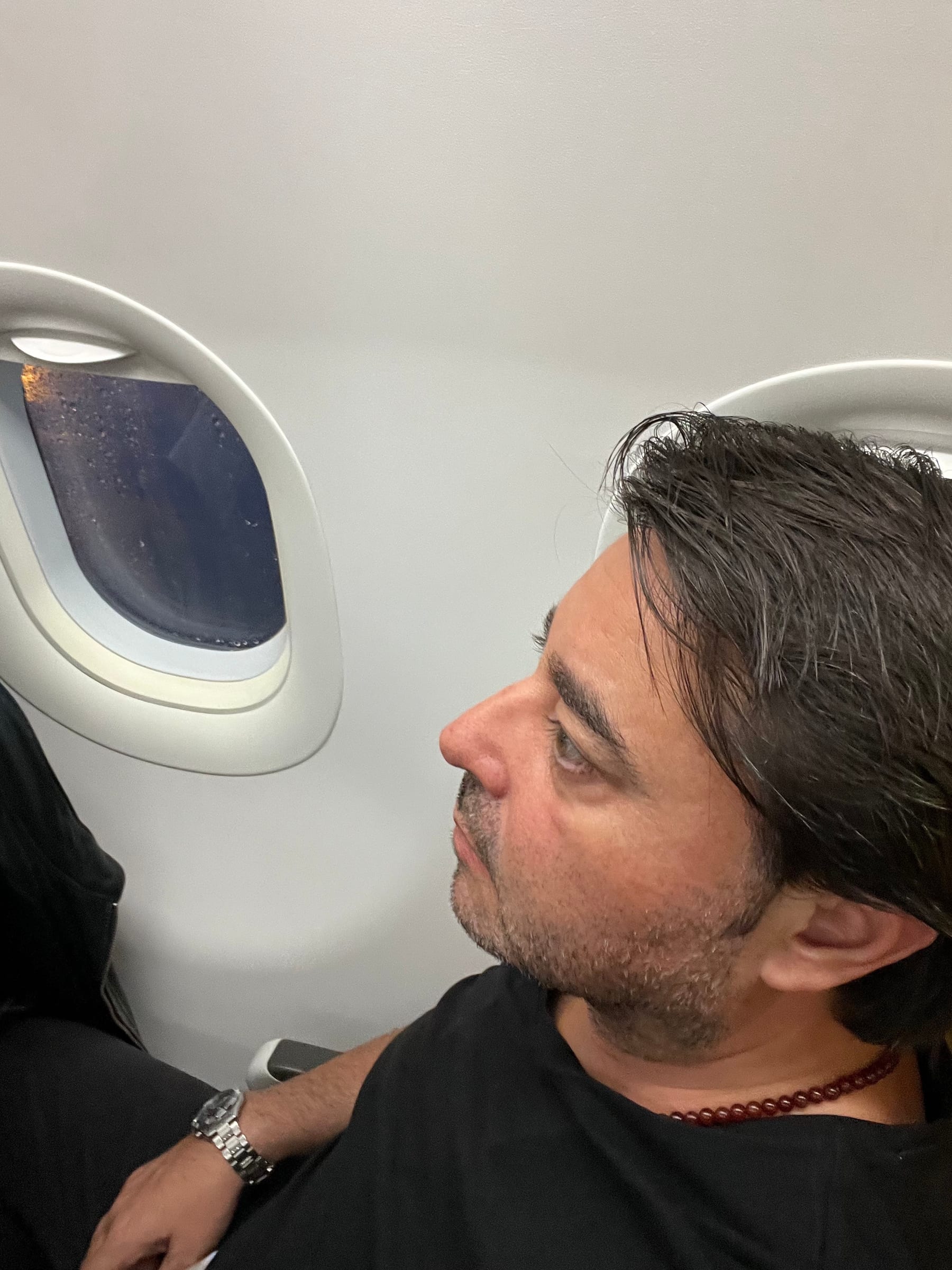
I was sitting on a plane, just about to take off, when one of our AI agents flagged a webshell on our server. Malicious code installed by a third party. Our human engineer confirmed it. The agent did not just flag it; it automatically blocked outgoing emails to protect our clients.
That day I realized: the biggest ROI of AI is not speed. It is security.
You are not just hiring a writer. You are hiring a security guard that reads millions of lines of code and never gets tired. But you must treat it with the same respect as your human team.
Three lessons.
First. Give them rules to say "no".
Our agent was told explicitly: "If you detect suspicious activity, stop all operations and alert a human." It followed the rule. If we had just told it to "send emails fast", we might have leaked compromised data. Program the brakes before the accelerator.
Second. Audit like a hacker.
Give your AI access to your logs and code. It spots anomalies faster than any human. But it needs context. It must know what "normal" looks like.
Third. Never use plain text passwords.
We used to share tokens in text files for speed. That is a huge risk. We moved to environment variables and strict access controls. AI is smart, but it does not understand security unless you build it into the system.
In THE LATIN FLASH METHOD, security is part of the diagnosis. Secure the base before scaling.
The tools are brilliant. But a tool is only as good as the rules you give it.
So here is my question for you. If an AI agent was watching your business 24/7, what is the first security flaw it would find?